Drought Resistant Landscaping for Small Front Yards in Santa Ana CA
Santa Ana front yards are asked to do a lot with very little. They need to look tidy from the street, hold up through long dry spells, tolerate heat that reflects off sidewalks and driveways, and still feel welcoming when the lot itself is modest. That is a different design problem than landscaping hardscaping santa ana a large suburban lawn, and it calls for a different kind of discipline.
The best small front yard landscapes in Santa Ana do not try to imitate bigger properties. They work with the conditions that are actually there: compact dimensions, water restrictions, strong afternoon sun, tight setbacks, and the visual pressure that comes from being fully exposed to the street. A good drought tolerant yard in this setting is not simply a yard with less grass. It is a carefully edited composition of shade, texture, circulation, and durable materials.
That is where smart hardscaping and plant selection meet. A compact front yard can feel expansive when the layout is clean, the materials are scaled correctly, and the planting does real work instead of acting as filler. Some of the most successful front yard landscaping projects in Santa Ana use fewer species, fewer colors, and fewer decorative elements than homeowners initially expect. The result is often stronger, easier to maintain, and better suited to the climate.
Why small front yards in Santa Ana need a different approach
A small yard magnifies every decision. If a plant outgrows its space by just a landscaping resources couple of feet, it can crowd the walkway, block windows, and make the whole frontage feel cluttered. If the paving color is too bright, glare becomes noticeable every afternoon. If the irrigation is poorly zoned, one overwatered corner can stand out from the street.
Santa Ana’s climate only sharpens those issues. Hot summers, periodic drought, and increasingly expensive water mean thirsty planting schemes rarely age well. Traditional turf can still be installed, of course, but in a small front yard it often provides less value than people expect. A narrow lawn strip may consume a disproportionate amount of water while offering almost no usable recreation space. In practice, many homeowners end up mowing and irrigating a decorative patch they never step on.
The better alternative is Drought resitant landscaping, the phrase many homeowners search for even if the spelling varies. In professional practice, what that usually means is reducing high water demand areas, improving soil performance where possible, and choosing plants and surfaces that remain attractive without constant intervention. In Santa Ana, that strategy is not a compromise. Done well, it produces front yards that look more refined than conventional lawns.
Start with how the yard is actually used
Before choosing plants or pavers, it helps to decide what the front yard must accomplish. On a small lot, every square foot should earn its place. Some homeowners need a comfortable path from the sidewalk to the porch with room for guests to pass. Others want a low planting bed that keeps sightlines open from inside the house. Families with dogs may need a tough decomposed granite side run and a simple front entry rather than delicate ornamentals. Corner lots may need stronger visual structure because they are visible from multiple angles.
One mistake I see often is designing a small front yard as if it were a miniature park. A tiny curved lawn, three unrelated planting islands, a decorative boulder, two solar lights, and a fountain all fight for attention. In a constrained space, restraint reads as confidence. One generous walkway, one dominant planting palette, and one or two focal elements usually outperform a crowded plan.
This is where custom landscaping ideas matter. Custom does not mean elaborate. It means the layout responds to your home’s architecture, your lot shape, and the way the sun moves across the frontage. A Spanish style bungalow in Santa Ana can carry warm gravel, clay toned pottery, and softer Mediterranean planting. A mid-century ranch often looks better with simpler planes, stronger geometry, and a more restrained material palette. The climate may be the same, but the design language should fit the house.
The role of hardscaping in a water wise front yard
Hardscaping is often treated as the dry, practical counterpart to plants, but in drought resistant design it does much more than reduce irrigation demand. It creates order. It guides movement. It anchors the composition during the hottest months when some plants naturally slow down. Most important in a small front yard, it helps space feel intentional rather than leftover.
A well-designed path can transform a landscaping service in santa ana cramped frontage. If the walkway to the front door is too narrow, too winding, or built from overly busy materials, the whole yard can feel smaller. In Santa Ana, I often prefer simple paving patterns with enough width to feel comfortable, usually in the range of four feet if space allows. That is wide enough to look substantial and function well, but not so broad that it overwhelms the planting.
Permeable materials are worth considering where grade and budget allow. Gravel, decomposed granite, and certain permeable paver systems can soften the front yard visually and help water soak into the soil rather than rush toward the curb. They also tend to fit the relaxed, climate-aware look that many homeowners want. The trade-off is maintenance. Loose materials can migrate, especially along active paths, and decomposed granite needs periodic refreshing and edge control to stay sharp.
Concrete remains a practical option, especially if finished thoughtfully. Broom finish concrete with clean borders can look excellent on modest homes. Cast in place concrete pads with gravel joints work well in modern or transitional settings. Stone can be beautiful, though on a very small front yard it can drive up cost quickly without adding much functional value if overused.
Retaining walls, seat walls, low planter curbs, and steps all fall under hardscaping too. In front yard landscaping, these elements should be scaled carefully. A low wall that sits around eighteen to twenty-four inches high can define a planting area and subtly separate the house from the sidewalk without creating a fortress effect. Taller walls are sometimes necessary on sloped lots, but in a small front yard they can feel heavy unless detailed with care.
Plant choices that earn their keep
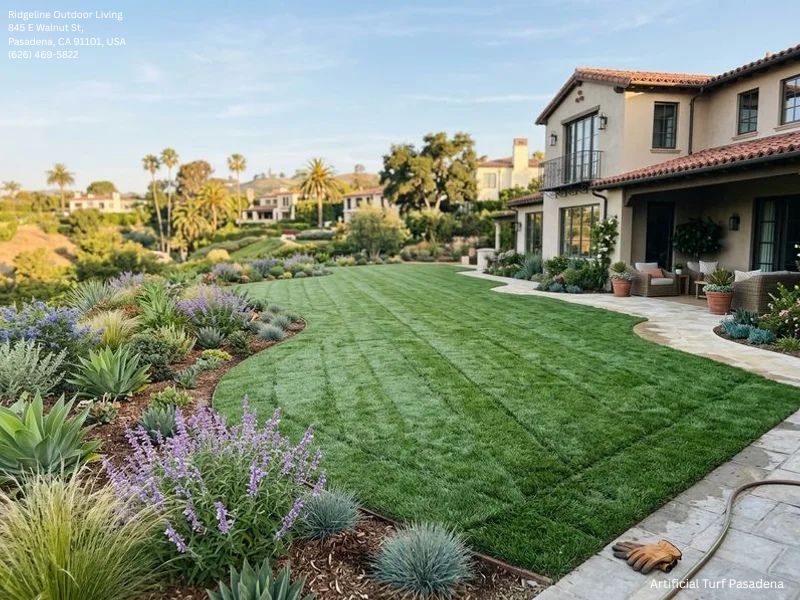
The strongest drought tolerant front yards in Santa Ana rely on plants that offer at least two kinds of value. A shrub might provide structure and seasonal bloom. A groundcover might suppress weeds while cooling the visual temperature of the paving. An accent plant might bring vertical form without needing constant pruning.
This is not a climate that rewards random plant shopping. Plants need to handle sun exposure, reflected heat, and the uneven watering habits that often happen in real residential settings. They should also fit the scale of a small yard. A plant that reaches six feet wide may be perfectly drought tolerant and still be a poor choice if the planting bed is only three feet deep.
Lavender, rosemary, westringia, and certain salvias perform well in many Santa Ana front yards when drainage is decent and they get enough sun. California native and climate adapted options such as ceanothus, manzanita cultivars, deer grass, and some penstemons can also work beautifully, though the right selection depends on the exact microclimate and available space. Succulents remain popular for good reason. They handle drought, offer strong form, and pair well with gravel and stone. The caution there is visual monotony. A front yard made entirely of spiky succulents can feel harsh, especially against a small house. Mixing in softer shrubs and grasses usually produces a more balanced result.
Trees deserve extra thought. In a compact front yard, the right small tree can provide shade, reduce heat load near the façade, and give the property immediate presence from the street. The wrong tree becomes a permanent maintenance issue. Root behavior, mature canopy width, and branch structure matter more than the nursery label suggests. Homeowners often focus on what a young tree looks like at purchase, but the long view is what counts.
If there is room for one tree, make it a good one. A carefully placed specimen near the west or southwest side of the yard can soften afternoon heat and visually tie the house to the landscape. Just avoid crowding it into a narrow strip between the walk and driveway where future pruning becomes awkward and the trunk ends up too close to hard surfaces.
Ground plane matters more than most people think
When a front yard is small, the ground plane takes up a large share of what people actually see. That means mulch color, gravel size, paving texture, and planting bed shape carry disproportionate visual weight. Choosing these elements casually is one of the fastest ways to undermine an otherwise solid design.
Dark shredded bark can work, but in very hot, exposed front yards it may fade quickly and sometimes looks heavy against light stucco. Warm toned gravel often suits Santa Ana homes better, especially if the roof, trim, or masonry already carries tan, cream, terracotta, or muted brown notes. Fine mulch around shrubs can still have a place, but it should feel integrated rather than patched in.
There is also a practical side to the ground plane. Weed pressure tends to be higher in yards where mulch is too thin, irrigation oversprays onto dry surfaces, or planting beds are full of awkward gaps that are hard to maintain. A front yard that looks low water from the street can still become labor intensive if the layout ignores maintenance access. You need enough room to get in and prune, weed, and refresh material without stepping directly through the plants.
One small but important detail is edging. Crisp steel, concrete, or masonry edges can elevate a front yard immediately, especially where gravel meets planting or path surfaces. In a compact landscape, those transitions are always visible. Soft, drifting edges may sound appealing on paper, but if they are not supported by enough space and disciplined maintenance, they read as messy very quickly.
A practical palette for small Santa Ana front yards
When homeowners ask what tends to work best, I usually steer them toward a simple mix of permanent structure, soft planting, and one or two accents. You do not need a long plant list. You need a composition where each layer has a job.
Here is a practical framework that often works well:
- Use one primary paving material for paths and entry areas to keep the space calm.
- Choose two to four main plant types, then repeat them generously instead of collecting one of everything.
- Add one focal element, such as a small tree, sculptural succulent group, or large planter near the entry.
- Keep open space where it helps the yard breathe, whether that is gravel, low groundcover, or a modest patio-like landing.
- Match plant scale to window height, porch depth, and walkway width so nothing feels squeezed.
That level of restraint often surprises people at first. They expect a larger menu of colors and textures. Once installed, though, repeated forms create rhythm and make the yard look more expensive because the design reads clearly from the street.
Irrigation is design, not just plumbing
Even a drought tolerant yard needs water while establishing and during extreme heat. The difference is that the system can be smaller, smarter, and more targeted than a spray setup aimed at turf. Drip irrigation is common for good reason. It delivers water close to the root zone, reduces evaporation, and limits overspray onto paving and walls.
The catch is that many front yard systems are installed with little regard for plant maturity. A young shrub and a mature shrub should not always be watered the same way. Likewise, a succulent bed does not want the same schedule as a mixed shrub border. On small projects, irrigation gets value engineered first, then homeowners wonder why one section struggles while another rots.
For Santa Ana properties, hydrozoning matters. Plants with similar water needs should share a zone whenever possible. That keeps scheduling more accurate and helps avoid the common problem of overwatering drought tolerant species to keep thirstier neighbors happy. If the budget allows for smart controllers and weather adjustments, they can reduce waste, though they are not magic. No controller can overcome a bad layout or poor emitter placement.
Establishment is the phase where discipline matters most. A drought adapted plant may still need regular watering for many months after installation while roots spread into surrounding soil. People sometimes hear “low water” and immediately under irrigate new landscapes. The result is not toughness. It is failure. Once plants are established, watering intervals can usually be stretched, but the first year should be managed attentively.
Common mistakes that make small yards look smaller
The first is overplanting. Homeowners often buy for instant fullness, then the yard becomes congested within a season or two. Plants need room to mature. If the design looks a little open on install day, that is often a good sign.
The second is mixing too many hardscape finishes. Brick ribbon, stamped concrete, river rock, flagstone, and colored gravel can all be attractive individually, but in a small front yard they compete. One or two finishes, handled well, nearly always look better than five.
The third is ignoring the house. Landscaping should not feel detached from the architecture it frames. If the home is simple, the yard should not look theatrical. If the façade already has heavy detail, the planting may need to be quieter to avoid visual overload.
The fourth is poor scale near the entry. Oversized agaves beside a narrow front step, or large boulders in a yard barely twenty feet deep, can make the property feel cramped. A small front yard benefits from strong forms, but those forms still need proportion.
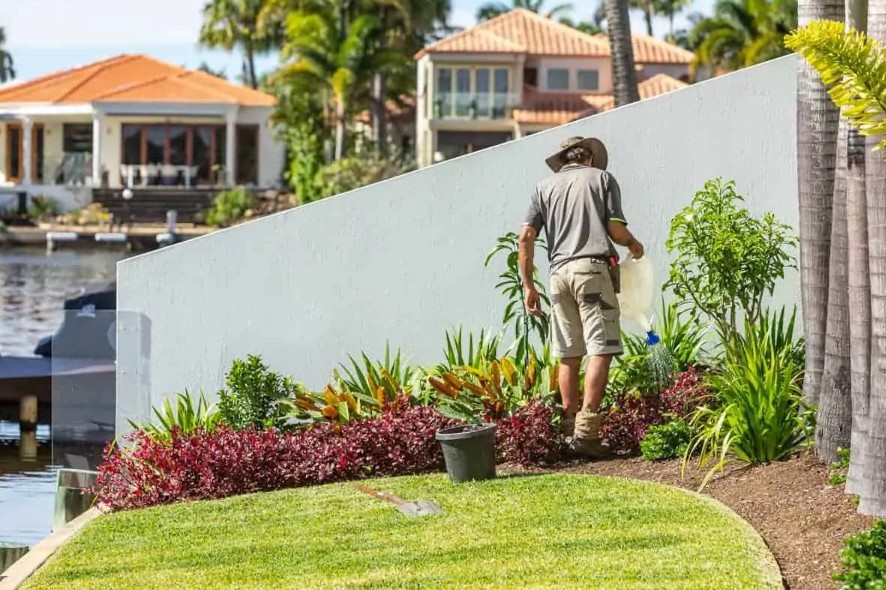
The fifth is chasing zero maintenance. There is no such thing. Good drought resistant landscaping reduces maintenance, changes its nature, and often makes it more seasonal rather than weekly. You may mow less, but you will still prune, inspect irrigation, manage weeds, and refresh mulch or gravel over time.
Budget choices that actually move the needle
Not every improvement pays off equally. If the budget is tight, prioritize layout, drainage, and permanent surfaces first. A beautiful planting plan cannot compensate for a front walk that feels awkward or water that pools against the house. Get the bones right, then build the softer layers.
In many small front yards, one of the best investments is widening or reworking the main path and front entry zone. That single move can make the property feel more finished than adding a long list of specialty plants. The next high value move is often a simple, coherent planting palette installed at the right spacing with proper mulch and irrigation.
Decorative extras are where budgets often leak. Imported stone accents, numerous specimen plants, and complex lighting packages can be worthwhile, but only after the core design functions well. If funds are limited, a clean path, attractive landscaping santa ana - Ridgeline Outdoor Living gravel, a few reliable shrubs, and a carefully chosen small tree will outperform a fussy design built from leftovers.
Curb appeal without the thirst
People sometimes assume drought tolerant means sparse or severe. In practice, the opposite is true when the design is done with care. Texture becomes richer. Plant forms become more distinct. Seasonal changes stand out more because each plant has breathing room. A small front yard in Santa Ana can feel lush without pretending it lives in a wetter climate.
There is also a psychological benefit to a water wise landscape that homeowners mention often after living with it for a while. The yard feels less stressful. They are not watching a lawn brown at the edges every hot week. They are not repairing overspray damage on walls or replacing thirsty annual color every season. The landscape settles into a rhythm that matches the region.
That is the real promise of good front yard landscaping in Southern California. It is not austerity. It is fit. The house, the climate, the materials, and the planting all start pulling in the same direction. Once that happens, even a small front yard can carry real presence.
What a successful Santa Ana front yard usually looks like after a few years
The path still reads clearly from the street. The shrubs have grown together just enough to soften the edges without swallowing the walkway. The tree throws a little shade where there used to be glare. The gravel or mulch has been refreshed once or twice, but the structure of the yard has not needed reinvention. Irrigation has been adjusted down rather than up. Maintenance days involve selective pruning and cleanup, not constant rescue work.
That kind of landscape does not happen by accident. It comes from making a few sound decisions early and resisting the urge to overcomplicate the yard. For small front yards in Santa Ana, that restraint is not limiting. It is what gives the space clarity, durability, and style.
Homeowners looking for custom landscaping ideas often begin with plants, but the stronger move is to begin with purpose, proportion, and climate. Once those are right, plant choices become easier, hardscaping feels more natural, and drought resistant design stops looking like a trend. It starts looking like the obvious, sensible way to landscape a home in Santa Ana.